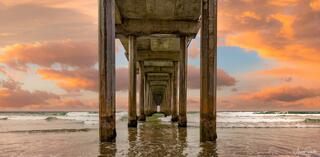
Why Professional Photo Editing Takes Time Part 1 / Mastering Landscape and Fine Art Photography
Discover why professional photo editing takes time. Learn how fine art and landscape photographer’s expert exposure, color correction, and post-production to craft breathtaking images.
Behind Every Great Image Lies a Story of Patience and Precision
Whether it is a glowing sunset over rolling hills or the subtle texture of a mountain peak at dawn, a breathtaking photograph does not just happen. It is crafted — first through careful camera settings and later through deliberate editing choices.
At Michael Smith Photography, every landscape and fine art image begins with understanding light. The editing process does not “fix” a photo — it reveals its potential, bringing color, detail, and balance to what the eye remembers but the camera cannot always capture.
The Professional Landscape Workflow
Professional photographers often spend as much time editing as they do capture. Each image is fine-tuned to express emotion and visual depth. Here’s how that process unfolds:
- Perfecting Exposure and Composition in the Field
Great editing starts with a great capture. Using tools like ND filters, tripod stabilization, and bracketing, professionals ensure the raw files hold maximum dynamic range for editing later. - Selecting the Hero Shots
Thousands of frames may be taken as lighting shifts. The goal is to find images with strong composition, contrast, and atmosphere — the foundation of a fine art landscape. - Exposure Blending and HDR Techniques
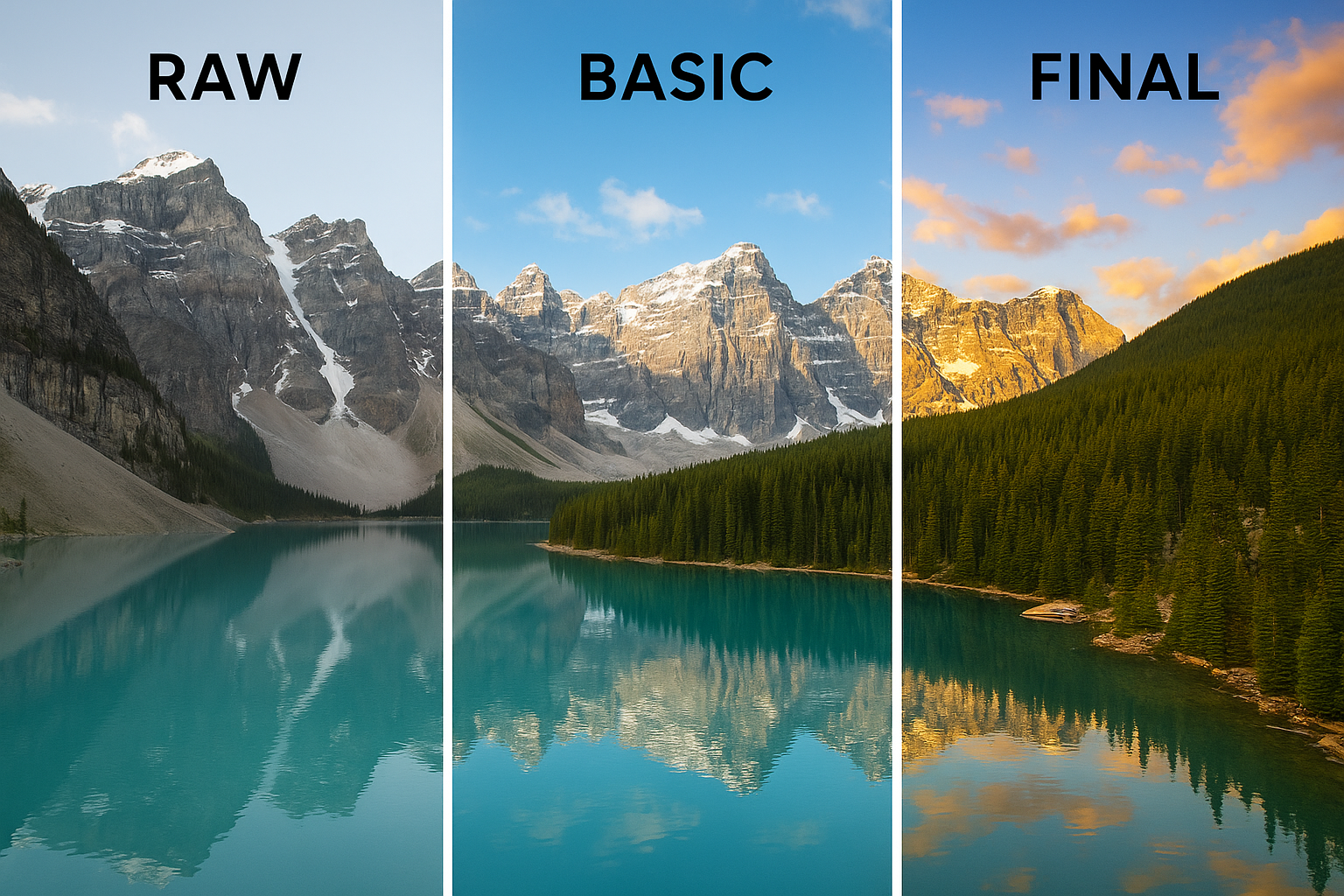
Professional editors combine multiple exposures to balance shadows and highlights — ensuring the sky’s color and the land’s detail coexist naturally. - Color Correction and Tonal Balance
This is where editing artistry begins. Adjusting white balance, contrast, saturation, and luminance transform a flat image into one that feels alive, without losing realism. - Sharpening and Fine Detailing
The final addition. Subtle sharpening enhances textures like rock, foliage, and water reflections — creating that crisp, high-definition feel that defines fine art landscapes.
Why Professional Editing Takes Time
Unlike automated filters, professional editing requires vision and patience. Each adjustment — from the gradient of the sky to the warmth of the light — must align with the scene’s emotion.
Great editors think like painters. Every layer, adjustment, and curve is intentional, designed to evoke the same feeling that inspired the original shot.
At Michael Smith Photography, editing is a meditative process — an extension of creativity that transforms photography into fine art.
Stay Tuned for Part 2
In Part Two, we will go deeper — exploring the creative artistry behind transforming landscapes and portraits into gallery-worthy works through color grading, retouching, and advanced editing techniques.