
The Art of Panoramic Photography — Part One: Seeing the World in Wide Format
Learn how to see and compose like a fine art photographer. In Part One of Michael Smith Fine Art Photography’s panoramic, discover the artistic vision behind capturing emotion, scale, and light in panoramic landscapes.
Panoramic photography isn’t just about shooting wide — it’s about seeing expansively.
At Michael Smith Fine Art Photography, panoramic images are crafted to translate emotion through light and scale, creating immersive fine art landscapes that pull viewers into the moment.
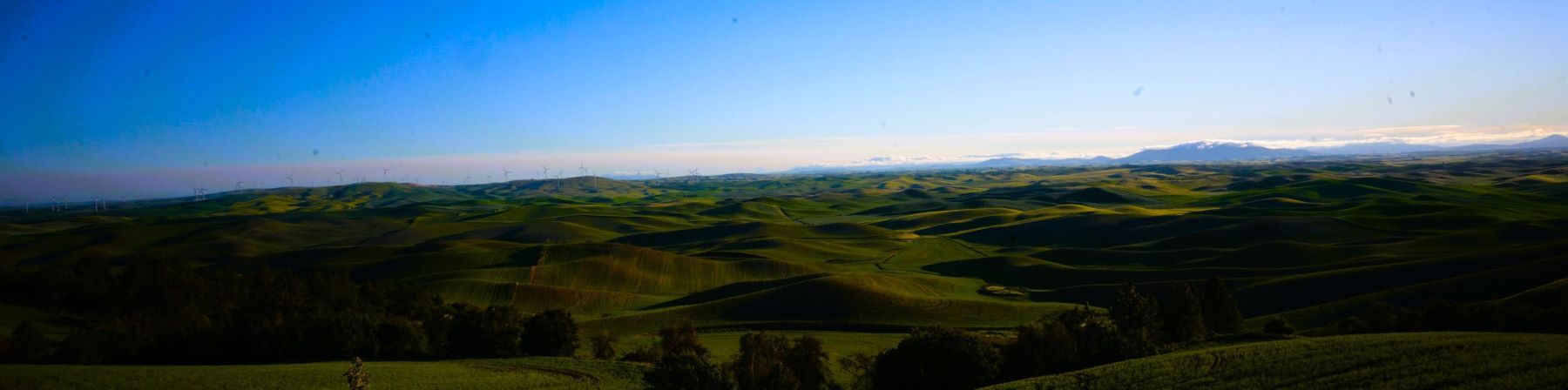
1. Understanding the Fine Art Vision
Every great panoramic image begins with artistic intent.
Instead of focusing on how wide your camera can shoot, ask:
- What emotion does this landscape express?
- How does the horizon, light, and movement tell a story?
When your goal is storytelling through light and composition, panoramic images evolve from simple wide shots into expressive fine art photographs.
2. Choosing the Right Scene
Select landscapes with depth, texture, and natural leading lines — winding rivers, mountain ridges, or reflective coastlines that guide the viewer’s eye.
Shooting during golden hour enhances emotional tone and texture, creating natural light transitions ideal for fine art prints.
Pro Tip: Before pressing the shutter, imagine your final panoramic image as a printed fine art piece. This mental framing refines your balance between structure and emotion.
3. The Power of Perspective
Panoramic photography allows you to present not just what you see, but how you feel about the space.
By combining artistic vision with patience, you create work that conveys both technical precision and emotional truth — the foundation of fine art photography.
1. Essential Gear and Setup
To achieve seamless panoramic precision, you need reliable equipment that supports your creative vision:
- Tripod: A solid carbon fiber tripod maintains alignment.
- Leveling Base: Ensures straight horizon lines without distortion.
- Panoramic Head: Prevents parallax errors during rotation.
- Remote Shutter Release: Minimizes vibration for sharp exposures.
2. Manual Settings for Seamless Exposure
Before you begin, switch to Manual Mode and lock:
- ISO (to control noise)
- Aperture (for consistent depth of field)
- Shutter Speed (for even exposure across frames)
- White Balance (to ensure color consistency)
Each image should overlap 30–40% with the next. This overlap is crucial for accurate stitching in post-processing.
Pro Tip: Use manual focus to ensure every frame shares the same focal plane. Consistency is key to a perfect panoramic merge.
3. Shooting with Precision and Flow Start on one side of the composition and rotate the camera slowly and evenly between each exposure.
For dynamic subjects (like waves, clouds, or grass movement), shoot faster to minimize scene changes between frames
4. Bringing Technical and Artistic Together
When technique and artistry meet, your panoramic images become visual poetry.
Every frame contributes to the emotional flow — from the foreground’s texture to the final line of light along the horizon.
1. Merging Your Panoramic Image
Use software such as Adobe Lightroom and Photoshop, to merge your frames.
- Correct lens distortion and chromatic aberration.
- Match exposure and white balance across all images.
- Remove dust or sensor marks.
2. Tonal Balance and Emotional Light
The soul of fine art panoramic photography lies in tonal harmony.
Adjust highlights, midtones, and shadows to create depth and atmosphere.
Color temperature plays an emotional role — warm tones evoke comfort, while cool tones convey serenity or mystery.
3. Printing and Presentation
Your panoramic vision deserves exceptional presentation.
For fine art results:
- Print on archival fine art paper, canvas, acrylic, or metal.
- Ensure proper calibration for accurate color rendition.
- Consider panoramic dimensions like 2:1 or 3:1 aspect ratio for visual balance.
Panoramic prints become striking focal points in modern interiors, offering a window into nature’s grandeur.
4. Expanding Creative Vision
Panoramic photography is both a discipline and an artistic meditation.
Through patience and precision, you learn to merge technical mastery with emotional storytelling — the true hallmark of fine art photography.
As Michael Smith Fine Art Photography, it is not only about capturing width — it is about capturing wonder.
Part 2 is coming soon.