Master Your Photography Part 1 / The Art and Science of Light, Motion, and Creative Vision
Master Your Photography | Fine Art Photography Tips on Light, Aperture & Shutter Speed
Discover how to master your photography by understanding light, aperture, shutter speed, and ISO. Learn how to transform ordinary shots into stunning fine art photography with creative control and vision of your photography.
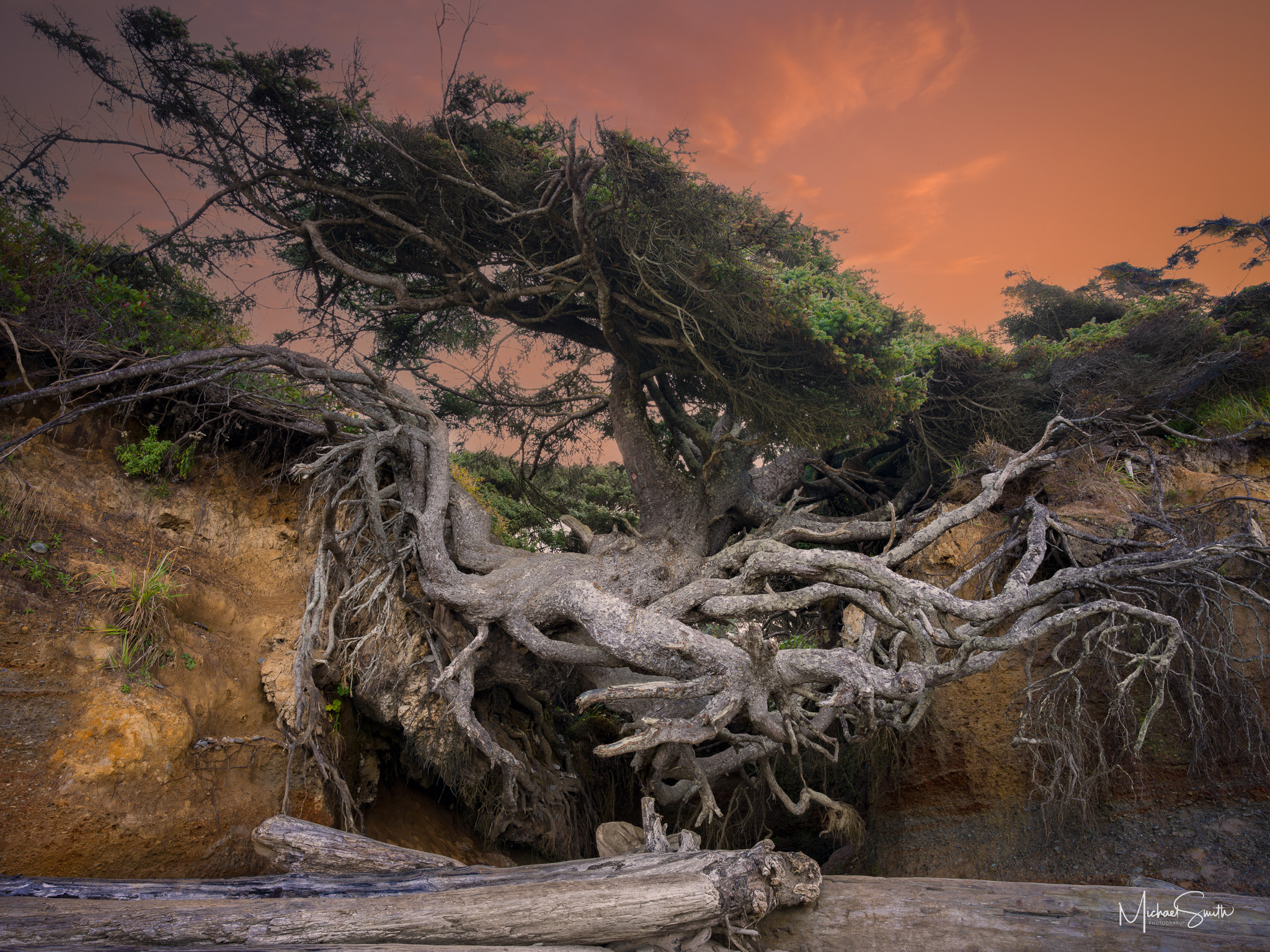
Unleash Your Inner Photographer
To truly master your photography, you must look beyond the buttons and menus on your camera and instead learn the art of light, motion, and emotion. Photography is not about pressing the shutter—it is about capturing the world as you see it.
The most breathtaking images are born from the interaction between light, aperture, shutter speed, and sensor sensitivity (ISO). Once you understand how these four elements work in harmony, you will unlock the creative control behind the greatest photographs ever taken.
The Dance of Light and Motion
Photography is painting with light. Every flicker, reflection, and shadow shapes your image. Understanding how light behaves—how it falls across textures, reflects off surfaces, or fades into darkness—transforms an ordinary scene into a visual masterpiece.
Your aperture controls the depth of field, guiding how sharp or soft your background appears. A wide aperture (like f/2.8) isolates your subject in a dreamy blur, while a narrow one (like f/16) captures every detail in razor-sharp clarity.
Your shutter speed dictates motion—freeze the rush of a waterfall or let its movement blur into silky smoothness. This is where art meets science and were technical mastery fuels emotional storytelling.
Think of it as the difference between a chess player using an algorithm and a chess expert who reads their opponent’s every move. Great photographers anticipate the dance of light and motion, adapting creatively to capture something timeless.
Your Vision Over Your Gear
Today’s digital cameras are incredible, but even the most advanced technology cannot replicate your personal vision. True photography mastery means using your camera as a tool, not as a crutch.
Great photography is about how you interpret the world, not how your camera automatically adjusts exposure. When you rely solely on automatic settings, you give up control. When you understand light and manual exposure, you create art that reflects who you are.
Your lens becomes your voice. Your images, your story.
The Power of the Exposure Triangle
The foundation of every compelling image lies in the exposure triangle—the balance between aperture, shutter speed, and ISO.
- Aperture controls the amount of light entering the lens and affects depth of field.
- Shutter Speed determines how motion is captured—frozen or flowing.
- ISO adjusts your camera sensitivity to light, balancing brightness, and image noise.
Mastering these three gives you the power to sculpt light like a painter with color. You will move from simply taking pictures to crafting luminous, emotionally charged photographs that express your creative vision.
Transforming Technique into Art
Once you have mastered the technical, your photography becomes intuitive—fluid, expressive, and deeply personal. You will start to see how light interacts with emotion, how movement tells a story, and how composition evokes feeling.
Fine art photography is about that balance: precision meets passion, technique meets imagination.
So, the next time you lift your camera, remember—you are not just capturing an image; you are shaping an experience. You are freezing a fragment of light and emotion in time.
The Bottom Line: Let Your Creativity Lead
The real joy of photography comes when you let creativity lead the process. Do not let your camera think of you. Take control, explore, experiment—and embrace mistakes along the way.
You will find photography more rewarding, personal, and inspiring when you use your camera as a creative instrument, not just a machine. The magic lies not in the equipment, but in how you see the world through your own artistic lens.