
Finding Great Landscape Photography Locations – And How to Avoid the Crowds
Some of the world’s most breathtaking landscape photography locations are also the most crowded. National parks, coastal overlooks, mountain viewpoints, and iconic city skylines attract photographers and tourists alike. If you want gallery quality landscape photographs with clean compositions, dramatic light, and no sea of people in the frame, you need more than just a beautiful place, you need a strategy.
This guide explores how to find great locations for landscape photography and how to work around crowds to capture professional, fine-art images worthy of large format printing and display.
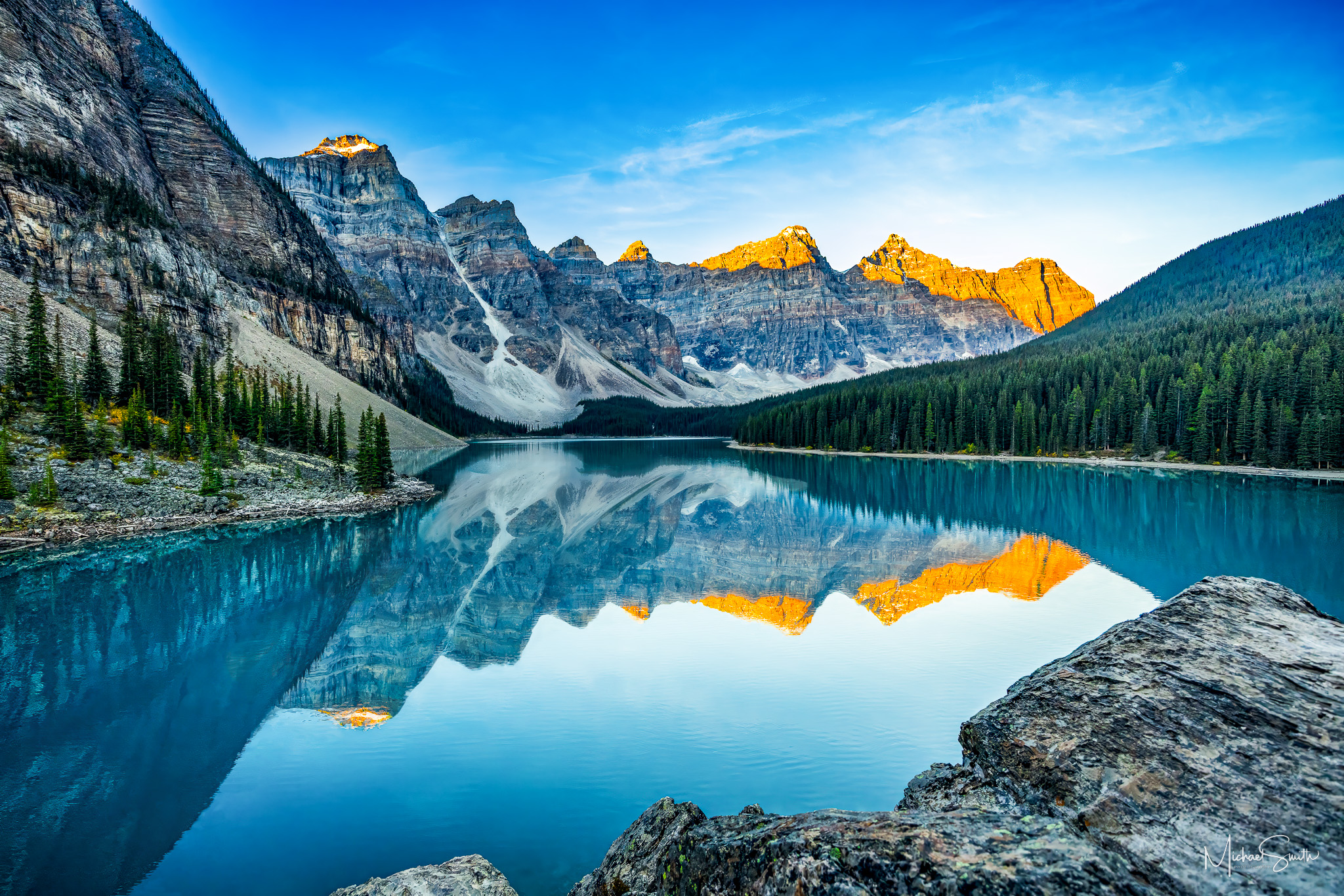
1. Choosing HighImpact Landscape Photography Locations
A. National Parks and Classic Vistas
Places like Yosemite, Zion, Grand Canyon, Banff, and the Oregon Coast are popular for a reason:
- Dramatic mountains and canyon walls
- Layered compositions with foreground, mid ground, and background
- Reliable sunrise and sunset views
For fine art landscape photography, these classic locations are ideal for:
- Wide angle views with strong leading lines
- Long exposures of waterfalls, rivers, and ocean waves
- High resolution, large format prints with rich texture and depth
Use apps like Photo Pills, TPE (The Photographer’s Ephemeris), and Google Earth to research:
- Sun and moon positions
- Seasonal conditions (snow, fall color, wildflowers)
- Potential alternative angles away from the main overlook
B. Coastal Landscapes and Seascapes
Coastlines offer endless variation:
- Cliffs, sea stacks, and tidal pools
- Reflective wet sand at low tide
- Long exposure water movement for soft, ethereal seascapes
When scouting coastal locations for fine art seascape photography:
- Check tide charts—low tide reveals patterns, rocks, and pools.
- Look for curved shorelines, jetties, or rock formations that create strong compositions.
- Explore side trails and secondary beaches where crowds are thinner.
C. Mountains, Lakes, and Alpine Locations
High altitude landscapes are perfect for museum quality landscape prints:
- Mirror-like reflections in calm lakes at dawn
- Atmospheric layers of ridges and peaks
- Seasonal contrast: snow, wildflower meadows, autumn color
For large format landscape photography, prioritize:
- Locations with good foreground interest (boulders, logs, wildflowers)
- Compositions with strong depth and perspective
- Vantage points with minimal manmade distractions.
2. Timing: The Best Tool for Avoiding Crowds
Even at the busiest landmarks, strategic timing can give you clean, uncluttered frames.
A. Shoot at Sunrise, Not Just Sunset
Most visitors sleep through sunrise:
- Trailheads and overlooks are often empty.
- Atmosphere is calmer, with less wind and haze.
- Light is soft, directional, and ideal for high dynamic range landscape images.
A sunrise session often yields:
- Clear vistas without crowds or parked cars
- Glassy lakes and calm oceans before the day’s wind picks up.
- Subtle, pastel color palettes perfect for fine art prints in calm interiors
B. Embrace OffSeason and Shoulder Seasons
Instead of peak summer or holiday weekends, consider:
- Late fall after leaves drop (quiet trails, clear sight lines)
- Winter landscapes with snow and minimal visitors
- Early spring before peak tourism ramps up.
Offseason conditions deliver:
- Unique, less-photographed versions of popular scenes
- Cleaner compositions with fewer people and vehicles
- Distinctive images that stand out in landscape print collections
C. MidWeek and NonPeak Hours
Even if you cannot travel during the off season:
- Plan shoots for Tuesday–Thursday instead of weekends.
- Aim for first light and blue hour in the morning, or late blue hour after sunset.
- Avoid midday when tourists peak and light is harsh.
3. Compositional Techniques to Minimize Crowds
When you cannot avoid people entirely, use professional composition techniques to keep them out of your final fine art image.
A. Change Your Angle and Elevation
Small adjustments can completely hide crowds:
- Move a few feet left or right to block people behind rocks, trees, or foreground elements.
- Shoot from lower angles so foreground features obscure the background path or viewing deck.
- Use higher vantage points to crop out walkways, railings, or parking areas.
For large format landscape prints, a clean, intentional composition reads far better than a cluttered, “typical tourist view.”
B. Use Longer Focal Lengths
Instead of always shooting wide:
- Switch to a short telephoto lens (70–135mm equivalent)
- Compress layers of mountains, trees, or cliffs.
- Crop out busy foregrounds and viewing platforms.
Telephoto landscapes often produce:
- Sophisticated, minimalist compositions ideal for fine art interior design
- Abstract patterns and layers that feel more timeless and less locations specific.
- Images that separate your work from the standard wide-angle postcard shot
C. Frame with Natural Elements
Use your environment creatively:
- Branches, arches, rock openings, or foreground boulders to “frame” your subject
- Edges of trees or cliffs to hide trails and people at the margins
- Shadows and dark areas conceal distractions in lower contrast parts of the frame.
This technique not only reduces visible crowds, but it also creates a more immersive, fine art feel.
4. Technical Strategies for Crowd Control
A. Long Exposures to “Erase” Movement
If people are walking rather than standing still:
- Use a strong ND filter (6–10 stops)
- Shoot 20–60 second exposures (or longer)
- Moving people will blur or vanish, while static elements remain sharp.
This works especially well in:
- Busy cityscapes, bridges, and riverfronts
- Coastal locations with moving waves and clouds
- Waterfall or river scenes with foot traffic on distant trails
Long exposure images also create a smooth, ethereal look ideal for highend fine art prints.
B. Multiple Exposures for Clean Plates
When the location is crowded but traffic flows:
- Lock your camera on a sturdy tripod.
- Capture a sequence of images over several minutes.
- Later, in post-processing, blend frames to remove people (using median stacking or manual layer masking)
This “clean plate” method is a standard technique for professional landscape and architectural photography where clean, timeless imagery is required.
C. Patience and MicroTiming
Often, waiting just a few minutes makes a significant difference:
- Watch the pattern of foot traffic.
- Be ready to shoot the moment a gap opens.
- Use burst mode to capture a clean frame before someone enters the scene.
In fine art landscape photography, patience is a core skill—waiting for the right light and the right moment is what separates casual snapshots from gallery quality work.
5. Respectful Practices in Busy Natural Locations
To create ethical, sustainable landscape photography:
- Stay on designated trails and viewpoints.
- Never block paths or prevent others from enjoying the view.
- Avoid trespassing onto closed or fragile areas just to eliminate people.
- Follow Leave No Trace principles and any local regulations.
Beautiful landscape photographs depend on healthy, protected environments. Professional fine art landscape photographers have a responsibility to protect the very places they photograph.
6. From Field to Fine Art Print
If your goal is museum quality, large format landscape prints for homes, offices, or galleries:
- Capture at the highest possible resolution
- Use low ISO and optimal apertures for maximum detail.
- Ensure clean compositions with no distracting people, signage, or clutter.
- Refine color, contrast, and dynamic range in post-processing for print, not just screen.
On the Michael Smith Fine Art Photography website, each landscape is:
- Carefully scouted and timed for ideal light and minimal crowds.
- Composed and captured with professional techniques to keep scenes clean and timeless.
- Printed on archival fine art papers, optimized for large scale, with rich tonal depth and color fidelity.
Elevate Your Space with CrowdFree Fine Art Landscapes
Even in world famous locations, it is possible to create quiet, uncluttered landscape photographs that feel intimate and immersive. By combining smart location scouting, thoughtful timing, and advanced technical approaches, you can capture images that look like you had the place to yourself.
Explore the Landscape Photography Collections on Michael Smith Fine Art to see how these techniques come together in gallery quality, crowd free images—perfect for large format display in homes, corporate spaces, and design driven interiors.