
Canon R5 vs. Hasselblad X2D 100C: High-Resolution Camera Showdown for Photographers
Welcome to the Michael Smith Photography blog, where we dive into the details of camera gear to help you make informed decisions. Today, we are exploring the fascinating world of medium format cameras with high pixel ratings, focusing on the Hasselblad X2D 100C and the Canon R5. Both cameras offer incredible image quality, but each has its unique strengths that cater to different photographic needs.
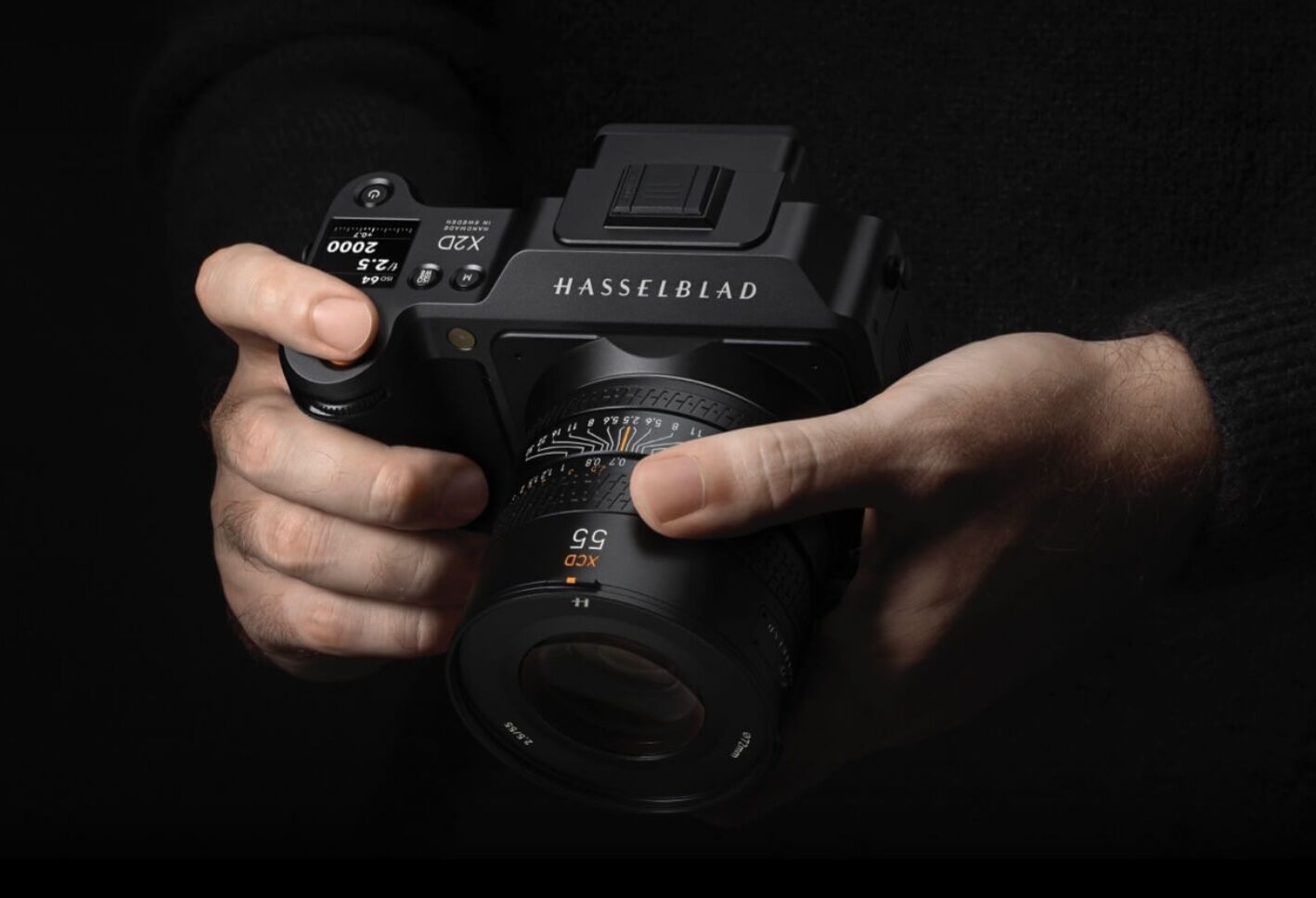
Medium Format Mastery: Hasselblad X2D 100C
The Hasselblad X2D 100C is a powerhouse in the realm of medium format cameras, revered for its stunning resolution and impeccable color accuracy. With an impressive 100-megapixel sensor, this camera captures every nuance and detail, making it ideal for large-scale prints and commercial work. The X2D 100C excels in dynamic range, providing rich, true-to-life colors and exceptional depth in both highlights and shadows. Its robust build and intuitive ergonomics make it a joy to use, particularly for studio and fine art photography.
Highlights of the Hasselblad X2D 100C:
- Unmatched Resolution: 100MP sensor ensures incredible detail and clarity.
- Dynamic Range: Superior ability to capture a wide range of tones.
- Color Accuracy: Renowned for producing true-to-life colors.
- Build Quality: Designed for professionals who demand the best.
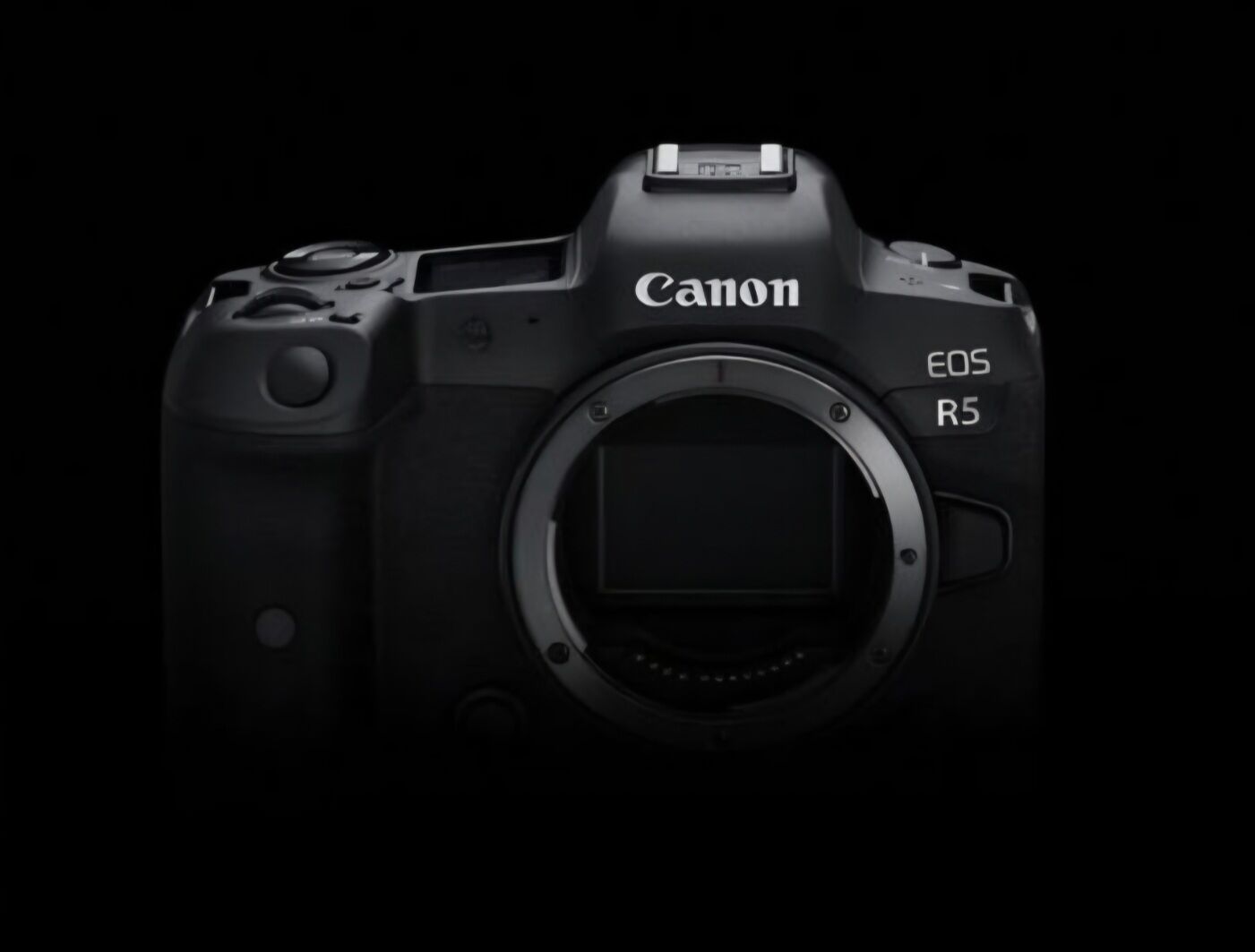
Versatile Excellence: Canon R5
The Canon R5 is a formidable contender in the high-resolution camera market, offering a versatile solution for photographers who require both speed and quality. With a 45-megapixel sensor, the R5 delivers exceptional image quality while also excelling in low-light performance. Its advanced autofocus system and high-speed continuous shooting capabilities make it perfect for action, wildlife, and event photography. The Canon R5 is also a top choice for hybrid shooters who need both stills and 8K video capabilities.
Highlights of Canon R5:
- High Resolution: 45MP sensor delivers sharp, detailed images.
- Speed and Performance: Fast autofocus and high-speed shooting.
- Low-Light Capability: Excellent performance in challenging lighting conditions.
- Versatility: Ideal for both photography and videography.
My Preference
While both cameras offer outstanding performance, my personal preference leans towards the Hasselblad X2D 100C for projects where ultimate resolution and color fidelity are paramount. Its ability to capture incredibly detailed images with stunning depth makes it my go-to choice for fine art and large format prints. However, the Canon R5 is my preferred option for more dynamic and versatile shooting scenarios, where speed and adaptability are crucial.
Conclusion: Choosing between these two exceptional cameras depends on your specific needs and the type of photography you pursue. Whether you prioritize the unparalleled detail of medium format or the versatility of a hybrid mirrorless system, both options provide remarkable quality.
Want me to unpack the step-by-step process for optimizing these cameras' settings for different shooting environments?
Let us dive into optimizing the settings for the Hasselblad X2D 100C and the Canon R5 to make the most out of these exceptional cameras in various shooting environments. Here is a step-by-step guide to help you get the best results:
Hasselblad X2D 100C Optimization
- Resolution and File Format:
- Always shoot in RAW to take full advantage of the 100MP sensor. This allows for maximum detail and post-processing flexibility.
- Dynamic Range:
- Utilize the camera's extensive dynamic range by setting a low ISO, typically between 64 and 200, to capture the widest range of tones.
- Color Profiles:
- Experiment with Hasselblad's Natural Color Solution (HNCS) for accurate and vibrant color reproduction, ideal for fine art and commercial photography.
- Manual Focus:
- For ultimate precision, especially in studio settings, use manual focus with focus peaking enabled.
- Tripod Stability:
- Given the high resolution, use a sturdy tripod to eliminate any camera shake for ultra-sharp images.
Canon R5 Optimization
- Shooting Speed and Autofocus:
- Take advantage of the high-speed continuous shooting mode (up to 20fps) for action and wildlife photography. Use Canon's Dual Pixel Autofocus for fast and accurate focus tracking.
- ISO Settings:
- The R5 performs exceptionally well in low light, so feel free to push the ISO comfortably up to 6400 or even 12800 for night or indoor shooting.
- Video Mode:
- Utilize the 8K video capability for incredibly detailed footage. Ensure your memory card is fast enough to manage the high data rate.
- Picture Styles:
- Experiment with different Picture Styles (such as Landscape, Portrait, or Neutral) to suit your shooting scenario and post-processing workflow.
- In-Body Image Stabilization (IBIS):
- Activate IBIS to reduce motion blur, especially in handheld shooting situations.
Actionable:
- Experiment with Settings: Try various combinations of settings in different environments to understand how each impacts your final image.
- Review and Adjust: After shooting, review your images and adjust settings based on what you learn to refine your technique.
- Practice in Varied Conditions: Practice shooting in different lighting and weather conditions to become proficient with each camera’s capabilities.
Exploring counterexamples can offer valuable insights into the strengths and limitations of the Hasselblad X2D 100C and Canon R5, especially when considering real-world impact. Let us examine scenarios where each camera might face challenges:
Hasselblad X2D 100C: Limitations in Action
- Portability: The medium format X2D 100C, while excellent in resolution, can be cumbersome for on-the-go or handheld shooting, particularly in challenging environments like sports or wildlife photography.
- Speed: Its slower autofocus and shooting speed compared to the Canon R5 may not capture fast-moving subjects as effectively, making it less suitable for action photography.
- Cost Efficiency: The Hasselblad's high price point may not be justifiable for photographers whose work does not require the ultra-high resolution it provides.
Canon R5: Limitations in Detail
- Resolution: While 45MP is impressive, the Canon R5 may not match the detail and dynamic range captured by the 100MP Hasselblad, particularly in studio settings or large-scale prints.
- Color Accuracy: The R5's color reproduction is excellent, but some photographers may find Hasselblad’s color depth and accuracy more appealing for fine art and commercial work.
- Overheating in Video: The R5's 8K video capabilities, while groundbreaking, have been noted to cause overheating issues during extended recording sessions.
Actionable:
- Define Your Needs: Clearly identify the type of photography you do most often to choose the right tool for the job.
- Test in Real Scenarios: If possible, rent or borrow each camera to evaluate it in your typical shooting conditions.
- Balance Features and Budget: Weigh the features that are most important to you against the investment you are willing to make.